Key takeaways
- Africa is actively developing AI governance frameworks to ensure ethical and inclusive AI deployment.
- The SCALIM Framework offers a structured approach to responsible AI adoption in African contexts.
- Collaboration among policymakers, technologists, and civil society is crucial for effective AI governance in Africa.
Introduction
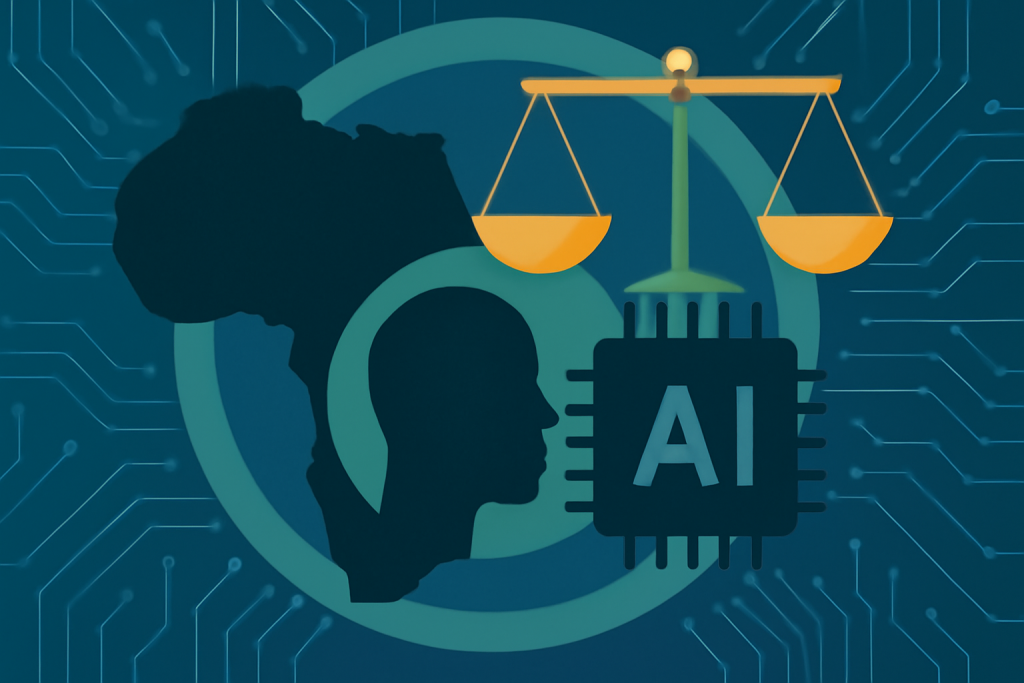
Artificial intelligence (AI) is revolutionizing industries worldwide, presenting both transformative potential and complex challenges. In Africa, the rapid adoption of AI technologies necessitates the development of governance frameworks that are ethical, inclusive, and tailored to the continent’s unique socio-economic and cultural contexts. This article examines the current state of AI governance in Africa, emphasizing the importance of ethical AI frameworks, inclusive policies, and the role of the SCALIM Framework in guiding responsible AI adoption.
The Need for Ethical and Inclusive AI Governance in Africa
As AI technologies become increasingly integrated into sectors such as healthcare, agriculture, education, and finance, African nations are confronted with the imperative to establish governance structures that promote ethical practices and inclusivity. Without such frameworks, there is a risk of exacerbating existing inequalities and perpetuating biases inherent in AI systems. Ethical AI governance ensures that AI systems are developed and deployed in ways that are transparent, accountable, and aligned with human rights and societal values.
Pan-African Initiatives and the SCALIM Framework
Recognizing the need for cohesive AI governance, African leaders and institutions have initiated several pan-African projects aimed at developing frameworks that reflect the continent’s priorities and values. A notable example is the REST-AI Governance Framework, launched during the Tech Symposium Africa 2026. This framework emphasizes responsible, ethical, secure, and trusted AI systems, providing a comprehensive approach to AI governance in Africa. ([techsymposium.africa](https://www.techsymposium.africa/?utm_source=openai))
The SCALIM Framework, developed by Dr. Samson Sakoane, offers a structured approach to responsible AI adoption, focusing on Strategy, Culture, Architecture, Leadership, Implementation, and Measurement. This framework is particularly relevant for African organizations seeking to navigate the complexities of AI integration while ensuring alignment with ethical standards and local contexts.
Challenges in Implementing AI Governance in Africa
Implementing effective AI governance in Africa presents several challenges, including limited technical expertise, inadequate infrastructure, and the need for capacity building among policymakers and stakeholders. Additionally, there is a pressing need to address the digital divide to ensure equitable access to AI benefits across the continent. Overcoming these challenges requires a concerted effort from governments, the private sector, academia, and civil society to build the necessary infrastructure and human capital.
Practical Implications for African Leaders and Policymakers
For African leaders and policymakers, the adoption of ethical AI governance frameworks is crucial for fostering innovation while safeguarding societal values. Key practical steps include:
- Developing Contextualized Policies: Crafting AI policies that are informed by African cultural, social, and economic realities to ensure relevance and effectiveness.
- Building Capacity: Investing in education and training programs to equip the workforce with the skills needed to develop, implement, and govern AI technologies.
- Encouraging Collaboration: Promoting partnerships among governments, industry leaders, academic institutions, and civil society to share knowledge, resources, and best practices.
- Ensuring Inclusivity: Designing AI systems and policies that are inclusive, addressing the needs of marginalized and underserved communities to prevent exacerbation of existing inequalities.
- Monitoring and Evaluation: Establishing mechanisms to monitor AI deployment and assess its impact, ensuring that it aligns with ethical standards and contributes positively to societal development.
Conclusion
The development of ethical and inclusive AI governance frameworks is imperative for Africa to harness the full potential of AI technologies responsibly. By adopting frameworks like the SCALIM Framework and engaging in pan-African initiatives, African nations can navigate the complexities of AI integration while upholding ethical standards and promoting societal well-being. The journey towards effective AI governance in Africa is ongoing, requiring continuous collaboration, capacity building, and a steadfast commitment to ethical principles.
In conclusion, as AI continues to evolve, African leaders and policymakers must remain vigilant and proactive in shaping governance structures that reflect the continent’s values and aspirations. By doing so, they can ensure that AI serves as a tool for sustainable development, innovation, and social equity across Africa.
Ready to turn AI insight into responsible business value?
Explore how executive AI governance, digital transformation, and responsible innovation can strengthen your organisation’s strategy.