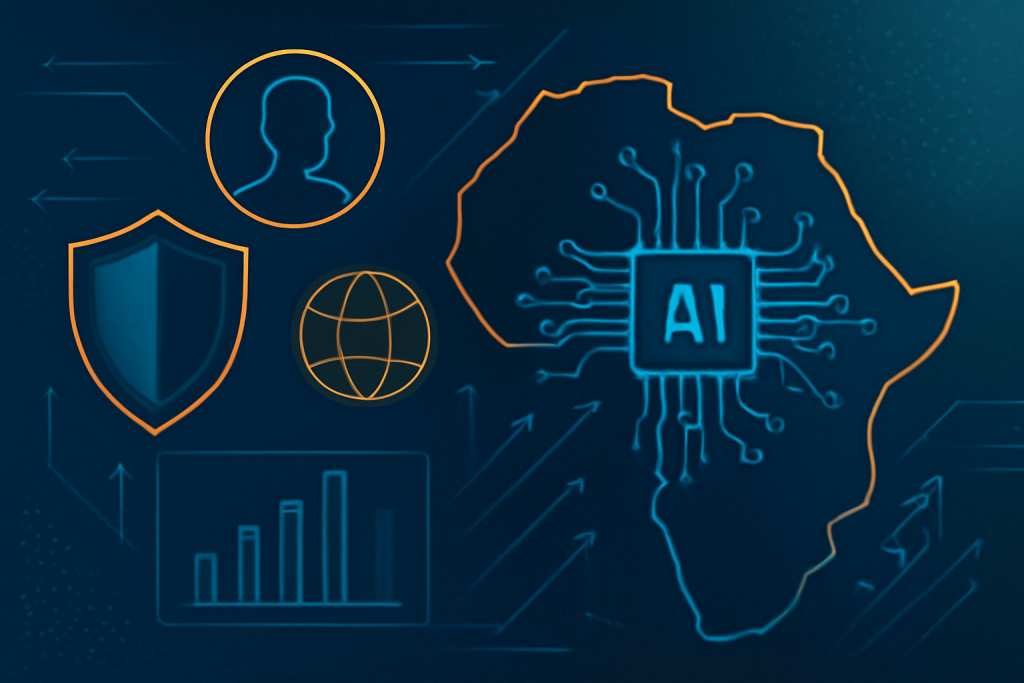
Key takeaways
- Robust AI governance is essential for Africa's sustainable development.
- Current AI governance frameworks in Africa are evolving but face challenges.
- Strategic investments in infrastructure, education, and policy are crucial.
- Inclusive and context-driven AI governance frameworks are needed.
- Collaboration among African nations and with global partners is vital.
Introduction
Artificial Intelligence (AI) is rapidly transforming global economies and societies, presenting both unprecedented opportunities and challenges. For Africa, the effective governance of AI is not merely a technological necessity but a strategic imperative for sustainable development. This article examines the current state of AI governance in Africa, identifies prevailing challenges, and proposes strategic recommendations to strengthen AI governance frameworks across the continent.
The Current State of AI Governance in Africa
Africa is at a pivotal juncture in AI governance. Several countries have adopted national AI strategies, and in 2024, the African Union endorsed its first Continental AI Strategy. However, the majority of African nations still lack comprehensive AI governance frameworks. Those that have implemented strategies often face difficulties in operationalizing policy objectives and translating them into effective governance and implementation. ([oecd.org](https://www.oecd.org/en/publications/oecd-artificial-intelligence-case-studies_c517fcf5-en/ai-governance-in-africa_1ff55135-en.html?utm_source=openai))
Challenges in AI Governance
Infrastructure and Connectivity
Limited access to digital infrastructure, affordable connectivity, and advanced computing capacity remains a significant constraint. Without substantial investments in power, connectivity, and computing, Africa’s AI governance ambitions will remain aspirational. ([issafrica.org](https://issafrica.org/pscreport/psc-insights/infrastructure-a-must-to-boost-africa-s-artificial-intelligence-sovereignty?utm_source=openai))
Human Capital and AI Literacy
There is a notable shortage of AI skills and technical expertise across the continent. This skills gap hampers the development and deployment of AI solutions tailored to Africa’s unique challenges. ([stimson.org](https://www.stimson.org/2026/priorities-for-africa-artificial-intelligence-governance-at-the-global-and-national-level/?utm_source=openai))
Data Governance and Sovereignty
Weak data quality and governance constrain AI system reliability and trust. Inconsistent data standards, limited interoperability, and uneven enforcement of data protection frameworks are among the key barriers. ([oecd.org](https://www.oecd.org/en/publications/oecd-artificial-intelligence-case-studies_c517fcf5-en/ai-governance-in-africa_1ff55135-en.html?utm_source=openai))
Policy and Regulatory Frameworks
While some African countries have initiated AI policies, there is a lack of cohesive and comprehensive regulatory frameworks. This fragmentation leads to inconsistent standards and practices, hindering the continent’s ability to harness AI effectively. ([stimson.org](https://www.stimson.org/2026/priorities-for-africa-artificial-intelligence-governance-at-the-global-and-national-level/?utm_source=openai))
Strategic Recommendations
Developing Contextualized AI Governance Frameworks
African nations should prioritize the development of AI governance frameworks that are context-driven and culturally relevant. These frameworks should be rooted in African values, ensuring that AI systems respect local cultures, histories, and societal norms. ([ai-4ai.org](https://ai-4ai.org/ai-governance/?utm_source=openai))
Investing in Infrastructure and Connectivity
Substantial investments in digital infrastructure, including data centers and reliable internet connectivity, are essential. Such investments will provide the necessary foundation for AI development and deployment across the continent. ([issafrica.org](https://issafrica.org/pscreport/psc-insights/infrastructure-a-must-to-boost-africa-s-artificial-intelligence-sovereignty?utm_source=openai))
Enhancing Human Capital and AI Literacy
Integrating AI education into primary and secondary curricula is crucial. A Pan-African, culturally contextualized, and ethically grounded framework for AI education can serve as a transformative tool for equity, innovation, and social justice. ([arxiv.org](https://arxiv.org/abs/2604.27708?utm_source=openai))
Strengthening Data Governance and Sovereignty
Establishing robust data governance frameworks that prioritize data sovereignty is vital. African data should be considered an asset, with policies ensuring that data benefits remain within the continent. ([ai-4ai.org](https://ai-4ai.org/ai-governance/?utm_source=openai))
Formulating Cohesive Policy and Regulatory Frameworks
Developing comprehensive AI policies and regulatory frameworks that align with international standards while addressing Africa’s unique challenges is necessary. This includes creating sector-specific regulations and fostering inter-ministerial coordination. ([bakermckenzie.com](https://www.bakermckenzie.com/en/insight/publications/2026/02/south-african-ai-policy-moves-towards-approval?utm_source=openai))
Conclusion
Strengthening AI governance in Africa is not merely a technological challenge but a strategic necessity for the continent’s sustainable development. By addressing infrastructure deficits, enhancing human capital, establishing robust data governance, and formulating cohesive policies, African nations can harness the transformative potential of AI. This approach will ensure that AI serves as a tool for inclusive growth, innovation, and the realization of the continent’s development aspirations.
In conclusion, the path to robust AI governance in Africa requires a concerted effort from governments, the private sector, academia, and civil society. By embracing a collaborative and context-driven approach, Africa can position itself as a leader in responsible AI governance, ensuring that the benefits of AI are equitably distributed and aligned with the continent’s unique needs and values.
Ready to turn AI insight into responsible business value?
Explore how executive AI governance, digital transformation, and responsible innovation can strengthen your organisation’s strategy.