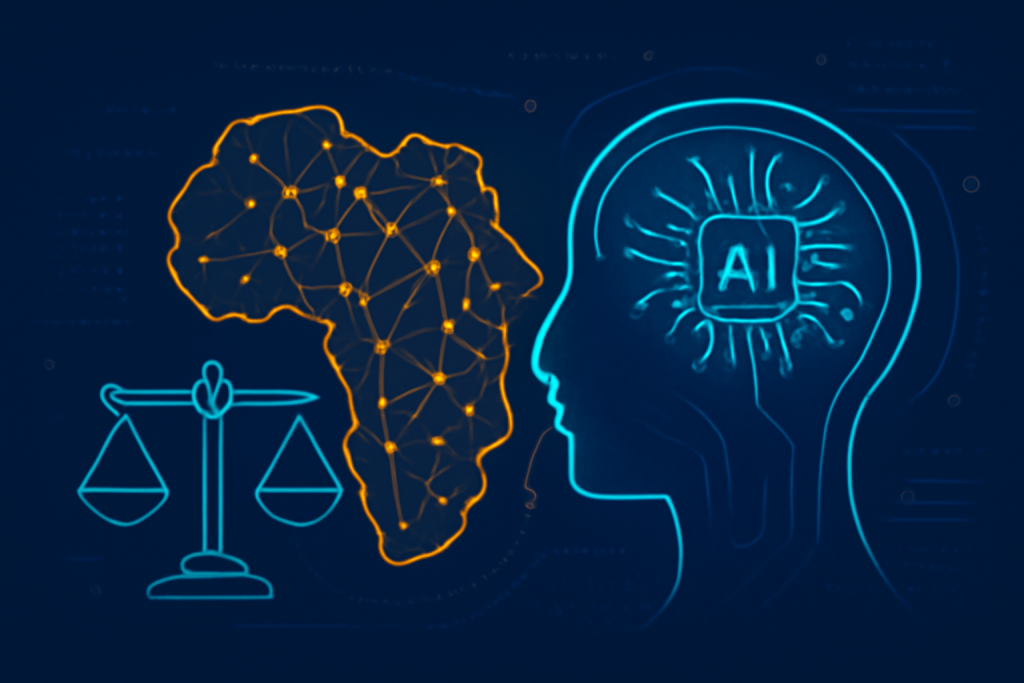
Key takeaways
- AI governance is crucial for Africa's sustainable development.
- Current AI governance frameworks in Africa are nascent and require strengthening.
- Strategic investments in infrastructure, education, and policy are essential for effective AI governance.
- Inclusive and context-driven AI policies can harness AI's potential for societal benefit.
- Collaboration among African nations and international partners is vital for robust AI governance.
Introduction
Artificial Intelligence (AI) is rapidly transforming global economies and societies, presenting both unprecedented opportunities and challenges. For Africa, a continent characterized by its youthful population and diverse cultures, the effective governance of AI is not merely a technological necessity but a strategic imperative for sustainable development. This article examines the current state of AI governance in Africa, identifies prevailing challenges, and proposes strategic recommendations to strengthen AI governance frameworks across the continent.
The Current State of AI Governance in Africa
As of June 2026, several African nations have initiated steps toward establishing AI governance frameworks. Notably, South Africa’s Draft National AI Policy has progressed to the Cabinet approval process, signaling a shift from high-level principles to concrete regulatory development. The policy is expected to undergo a 60-day public consultation in March 2026, with finalization targeted for the 2026/2027 financial year. This approach emphasizes sector-specific, multi-regulator models, integrating AI governance within existing supervisory frameworks. The policy is guided by five core pillars: skills capacity, responsible governance, ethical and inclusive AI, cultural preservation, and human-centered deployment. Organizations are encouraged to assess current AI deployments and governance structures ahead of increased oversight and future sector-specific regulatory instruments. ([bakermckenzie.com](https://www.bakermckenzie.com/en/insight/publications/2026/02/south-african-ai-policy-moves-towards-approval?utm_source=openai))
In addition, the African AI Governance Index (AAGI) Foundation has launched Africa’s first comprehensive AI governance intelligence platform. This platform provides real-time, open-access insights into policy development and infrastructure capacity across all 54 African Union member states. By centralizing and verifying data, the AAGI aims to answer the critical question: where does Africa stand on AI governance? The platform monitors national AI strategies, regulatory frameworks, and institutional developments, offering a valuable resource for policymakers and stakeholders. ([myjoyonline.com](https://www.myjoyonline.com/african-ai-governance-index-launches-first-continental-ai-intelligence-platform/?utm_source=openai))
Challenges in AI Governance
Despite these advancements, several challenges persist in the realm of AI governance in Africa:
- Infrastructure Deficiencies: Limited access to reliable electricity, high-speed internet, and advanced computing resources hampers the development and deployment of AI technologies. Without substantial investment in digital infrastructure, Africa’s AI ambitions may remain aspirational. ([issafrica.org](https://issafrica.org/pscreport/psc-insights/infrastructure-a-must-to-boost-africa-s-artificial-intelligence-sovereignty?utm_source=openai))
- Policy and Regulatory Gaps: While some countries have developed national AI strategies, many lack comprehensive policies or face difficulties in translating policy objectives into effective governance and implementation. This inconsistency can lead to fragmented approaches and missed opportunities. ([oecd.org](https://www.oecd.org/en/publications/oecd-artificial-intelligence-case-studies_c517fcf5-en/ai-governance-in-africa_1ff55135-en.html?utm_source=openai))
- Educational and Skill Gaps: There is a pressing need for AI education and training programs tailored to the African context. A Pan-African, culturally contextualized, and ethically grounded framework for integrating AI education into primary and secondary schools is essential to prepare the young population for AI-mediated labor markets. ([arxiv.org](https://arxiv.org/abs/2604.27708?utm_source=openai))
- Data Sovereignty and Ethics: Ensuring that AI systems are developed and deployed in ways that respect African values and ethical standards is crucial. This includes addressing concerns related to data privacy, algorithmic bias, and the potential for AI to perpetuate existing inequalities. ([ifex.org](https://ifex.org/mra-consortium-partners-launch-pan-africanism-project-on-ai-governance-in-africa/?utm_source=openai))
Strategic Recommendations
To address these challenges and strengthen AI governance in Africa, the following strategic recommendations are proposed:
1. Invest in Digital Infrastructure
Robust digital infrastructure is the backbone of effective AI governance. African governments and private sector entities should prioritize investments in reliable electricity, high-speed internet, and advanced computing resources. Public-private partnerships can play a pivotal role in accelerating infrastructure development, ensuring that AI initiatives are not constrained by technological limitations. ([issafrica.org](https://issafrica.org/pscreport/psc-insights/infrastructure-a-must-to-boost-africa-s-artificial-intelligence-sovereignty?utm_source=openai))
2. Develop Comprehensive AI Policies and Regulations
Establishing clear and comprehensive AI policies and regulations is essential for guiding the development and deployment of AI technologies. These policies should be inclusive, context-driven, and aligned with international best practices while reflecting African values and priorities. Regular consultations with stakeholders, including academia, industry, and civil society, can ensure that policies are relevant and effective. ([oecd.org](https://www.oecd.org/en/publications/oecd-artificial-intelligence-case-studies_c517fcf5-en/ai-governance-in-africa_1ff55135-en.html?utm_source=openai))
3. Foster AI Education and Capacity Building
Integrating AI education into the curriculum at all levels is vital for building a skilled workforce capable of driving AI innovation. A Pan-African, culturally contextualized, and ethically grounded framework for AI education can equip students with the necessary skills and ethical understanding to navigate the AI landscape. Collaboration with international partners can enhance the quality and reach of educational programs. ([arxiv.org](https://arxiv.org/abs/2604.27708?utm_source=openai))
4. Ensure Data Sovereignty and Ethical AI Development
Developing AI systems that respect African values and ethical standards requires a focus on data sovereignty and ethical AI development. Establishing frameworks for data governance, promoting transparency in AI algorithms, and addressing biases in AI systems are critical steps. Engaging with local communities and stakeholders can ensure that AI technologies are developed and deployed in ways that are culturally sensitive and socially responsible. ([ifex.org](https://ifex.org/mra-consortium-partners-launch-pan-africanism-project-on-ai-governance-in-africa/?utm_source=openai))
5. Strengthen Regional and International Collaboration
AI governance is a global endeavor that necessitates collaboration across borders. African nations should actively participate in international AI governance discussions, ensuring that their perspectives and needs are represented. Regional cooperation can lead to shared resources, harmonized policies, and collective action on AI-related challenges. ([uneca.org](https://www.uneca.org/eca-events/regional-dialogue-ai-governance-africa?utm_source=openai))
Conclusion
As Africa continues to embrace AI technologies, establishing robust AI governance frameworks is imperative for harnessing AI’s potential for sustainable development. By investing in infrastructure, developing comprehensive policies, fostering education, ensuring ethical AI development, and strengthening collaboration, African nations can create an environment where AI contributes positively to societal well-being and economic growth. The journey toward effective AI governance is complex and multifaceted, but with strategic planning and collective effort, Africa can navigate this path successfully, ensuring that AI serves as a tool for empowerment and progress.
In conclusion, the effective governance of AI in Africa is not merely a technological challenge but a strategic necessity. By addressing the identified challenges and implementing the proposed recommendations, African nations can lay the foundation for a future where AI contributes meaningfully to sustainable development, economic growth, and social well-being. The path forward requires a commitment to inclusivity, ethical standards, and collaborative efforts, ensuring that Africa’s AI journey is both responsible and transformative.
Ready to turn AI insight into responsible business value?
Explore how executive AI governance, digital transformation, and responsible innovation can strengthen your organisation’s strategy.