Key takeaways
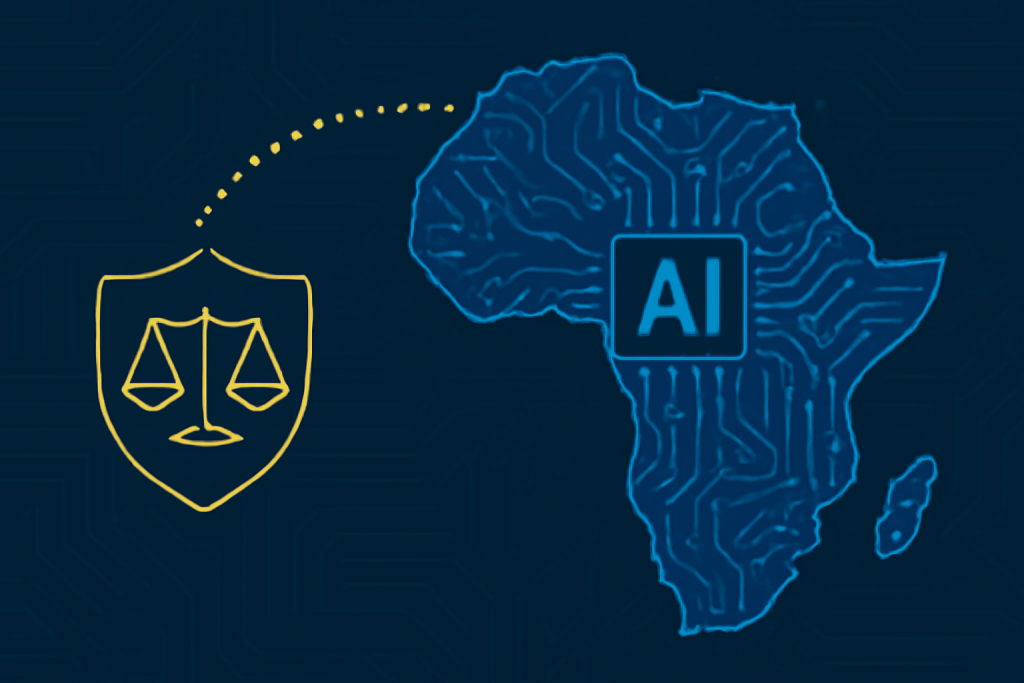
- Africa is at a pivotal moment in AI adoption, necessitating comprehensive governance frameworks to ensure responsible and ethical AI deployment.
- Robust AI governance can mitigate risks such as bias, discrimination, and privacy violations, fostering public trust and societal acceptance.
- Collaborative efforts among African nations, international organizations, and the private sector are crucial to develop and implement effective AI governance strategies.
- Tailored AI policies that consider Africa's unique socio-economic and cultural contexts are essential for sustainable development.
- Investing in AI literacy, infrastructure, and capacity building will empower African nations to lead in AI innovation and governance.
Introduction
Artificial Intelligence (AI) is rapidly transforming global economies and societies, offering unprecedented opportunities for innovation and growth. For Africa, AI presents a unique chance to leapfrog traditional development stages and address pressing challenges in sectors such as healthcare, agriculture, education, and infrastructure. However, to harness AI’s full potential responsibly and ethically, it is imperative for African nations to establish robust AI governance frameworks.
The Current State of AI Governance in Africa
As of mid-2026, several African countries have initiated AI governance efforts. Notably, the African Union endorsed its first Continental AI Strategy in 2024, aiming to guide member states in AI adoption and regulation. Despite this progress, many nations still lack comprehensive national AI strategies, and those that have adopted them face challenges in operationalizing policy objectives and translating them into effective governance and implementation. ([oecd.org](https://www.oecd.org/en/publications/oecd-artificial-intelligence-case-studies_c517fcf5-en/ai-governance-in-africa_1ff55135-en.html?utm_source=openai))
Challenges in AI Governance
The absence of cohesive AI governance poses several risks:
– **Bias and Discrimination**: Without standardized ethical guidelines, AI systems may perpetuate existing societal biases, leading to unfair outcomes.
– **Privacy Violations**: Inadequate data protection measures can result in unauthorized access and misuse of personal information.
– **Lack of Accountability**: Undefined regulatory frameworks may lead to ambiguity regarding responsibility for AI-driven decisions.
– **Infrastructure Gaps**: Limited access to necessary technological infrastructure hampers the development and deployment of AI solutions.
Strategic Importance of AI Governance
Implementing effective AI governance is crucial for several reasons:
– **Ensuring Ethical Standards**: Clear policies can guide the development of AI systems that align with societal values and human rights.
– **Building Public Trust**: Transparent governance fosters confidence among citizens and stakeholders in AI technologies.
– **Promoting Sustainable Development**: Responsible AI deployment can drive economic growth while addressing social and environmental challenges.
– **Enhancing Global Competitiveness**: Nations with strong AI governance frameworks are better positioned to attract investment and collaborate internationally.
Key Components of AI Governance Frameworks
Effective AI governance frameworks should encompass the following elements:
– **Policy and Strategy**: Developing clear national AI strategies that outline objectives, priorities, and implementation plans.
– **Regulatory Frameworks**: Establishing laws and regulations that ensure AI systems are developed and used responsibly.
– **Institutional Capacity**: Building institutions with the expertise and authority to oversee AI deployment and enforce regulations.
– **Ethics and Rights**: Ensuring AI systems uphold human rights and ethical standards, preventing harm and discrimination.
– **Infrastructure**: Investing in the technological infrastructure necessary for AI research, development, and deployment.
– **Talent and Education**: Promoting education and training programs to build a skilled workforce capable of developing and managing AI technologies.
– **Investment and Innovation**: Encouraging investment in AI research and fostering innovation ecosystems to drive technological advancement.
– **Implementation and Impact**: Monitoring and evaluating the impact of AI systems to ensure they meet intended goals and do not cause unintended harm.
Collaborative Efforts and International Cooperation
Strengthening AI governance in Africa requires collaborative efforts:
– **Regional Initiatives**: Platforms like the African AI Governance Summit 2026 aim to coordinate policy and foster cross-border collaboration among African nations. ([aipolicy.africa](https://www.aipolicy.africa/summit?utm_source=openai))
– **International Partnerships**: Collaborations with global organizations, such as the United Nations Economic Commission for Africa’s Regional Dialogue on AI Governance, can provide valuable insights and support. ([uneca.org](https://www.uneca.org/eca-events/regional-dialogue-ai-governance-africa?utm_source=openai))
– **Private Sector Engagement**: Partnerships with technology companies can facilitate knowledge transfer and capacity building. For instance, the African Union Commission’s partnership with Google focuses on advancing Africa’s sovereign AI and digital capacity. ([au.int](https://au.int/en/pressreleases/20260217/auc-google-sign-partnership-advance-africas-sovereign-ai-digital-capacity?utm_source=openai))
Tailoring AI Policies to Africa’s Context
AI governance frameworks must be tailored to Africa’s unique socio-economic and cultural contexts:
– **Addressing Infrastructure Gaps**: Developing policies that promote investment in digital infrastructure to support AI development.
– **Promoting Inclusivity**: Ensuring that AI systems are accessible and beneficial to all segments of society, including marginalized groups.
– **Protecting Data Sovereignty**: Establishing regulations that safeguard African data and ensure it is used ethically and responsibly.
– **Fostering Local Innovation**: Encouraging the development of AI solutions that address local challenges and leverage indigenous knowledge.
Practical Steps for Executives
For executives and leaders in Africa, the following actions are recommended:
– **Engage in Policy Development**: Participate in national and regional AI policy discussions to influence the creation of effective governance frameworks.
– **Invest in Capacity Building**: Support education and training programs to develop a skilled workforce capable of managing AI technologies.
– **Promote Ethical AI Practices**: Implement internal policies that ensure AI systems developed or used by your organization adhere to ethical standards.
– **Collaborate with Stakeholders**: Work with government agencies, international organizations, and the private sector to strengthen AI governance structures.
– **Monitor and Evaluate**: Regularly assess the impact of AI systems to ensure they align with organizational goals and societal values.
Conclusion
As Africa continues to embrace AI technologies, establishing robust AI governance frameworks is essential for ensuring responsible deployment, upholding ethical standards, and driving sustainable development. By addressing challenges such as infrastructure gaps, promoting inclusivity, and fostering local innovation, African nations can harness AI’s full potential to achieve equitable and sustainable growth. Collaborative efforts at national, regional, and international levels will be crucial in shaping a future where AI serves the best interests of all Africans.
## Highlights:
– [Exclusive: UN launches “AI for Good” commission](https://www.axios.com/2026/07/01/un-ai-commission-ceos-world-leaders?utm_source=openai), Published on Wednesday, July 01
Ready to turn AI insight into responsible business value?
Explore how executive AI governance, digital transformation, and responsible innovation can strengthen your organisation’s strategy.