Key takeaways
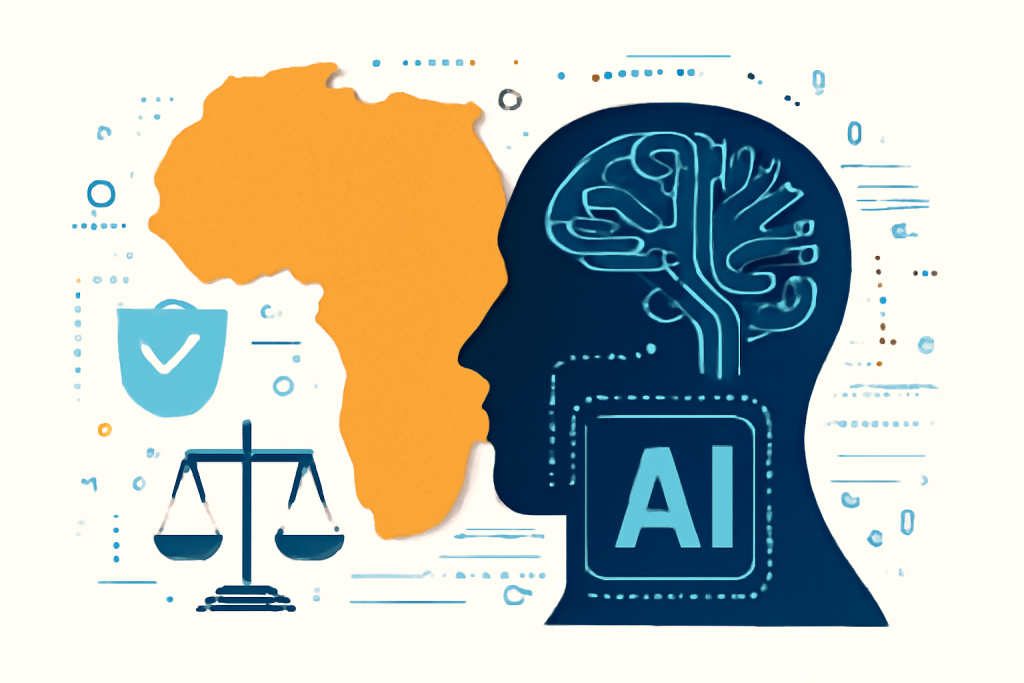
- AI governance is crucial for Africa's sustainable development.
- Tailored AI governance frameworks are needed to address Africa's unique challenges.
- Recent initiatives, such as the Africa AI Governance Summit, highlight the continent's commitment to responsible AI.
- Leaders must implement practical strategies to develop and enforce effective AI policies.
- Collaboration with international bodies can enhance Africa's AI governance capabilities.
Introduction
Artificial Intelligence (AI) is rapidly transforming global economies, offering unprecedented opportunities for innovation and growth. For Africa, harnessing AI’s potential is not just a technological endeavor but a strategic imperative for sustainable development. However, the continent faces unique challenges in AI governance that necessitate tailored frameworks and proactive leadership.
The Importance of Robust AI Governance in Africa
Effective AI governance ensures that AI technologies are developed and deployed responsibly, ethically, and in alignment with societal values. In Africa, robust AI governance is particularly critical due to factors such as diverse cultural landscapes, varying levels of technological infrastructure, and the need to address socio-economic disparities. Without appropriate governance, there is a risk of exacerbating existing inequalities and missing out on AI’s transformative benefits.
Recent Developments in African AI Governance
Recent initiatives underscore Africa’s commitment to strengthening AI governance:
- Africa AI Governance Summit 2026: Held in Geneva from July 5th to 10th, 2026, this summit centered Africa in the global AI agenda, focusing on policy coordination, cross-border collaboration, and international tech cooperation. It marked a significant step towards Africa becoming an architect of its own digital future. ([aipolicy.africa](https://www.aipolicy.africa/summit?utm_source=openai))
- UNESCO’s Support for GNAIS Outreach in Gabon: In March 2026, UNESCO organized an information session in Libreville, Gabon, to introduce the Global Network of AI Supervisory Authorities (GNAIS) to Gabonese authorities. This initiative aimed to advance dialogue on AI governance and international cooperation, highlighting the importance of global collaboration in AI oversight. ([unesco.org](https://www.unesco.org/en/articles/strengthening-ai-governance-africa-unesco-supports-gnais-outreach-gabon?utm_source=openai))
- COMESA’s Regional AI Strategy: The Common Market for Eastern and Southern Africa (COMESA) is developing a regional strategy to leverage AI for development. This initiative reflects a growing recognition of AI’s potential to drive economic growth and innovation within the region. ([capmad.com](https://www.capmad.com/post/comesa-moves-toward-a-regional-strategy-to-turn-ai-into-a-development-lever?utm_source=openai))
Challenges in Implementing AI Governance in Africa
Despite these positive developments, several challenges persist:
- Infrastructure Limitations: Many African countries face inadequate digital infrastructure, including limited internet penetration and insufficient data centers, hindering the effective deployment of AI technologies. ([arxiv.org](https://arxiv.org/abs/2606.30656?utm_source=openai))
- Capacity Building: There is a shortage of skilled professionals trained in AI and its ethical implications, limiting the continent’s ability to develop and implement AI solutions effectively. ([arxiv.org](https://arxiv.org/abs/2512.05432?utm_source=openai))
- Policy and Regulatory Gaps: Existing policies often lack specificity regarding AI, leading to fragmented and inconsistent governance approaches across the continent. ([wearetech.africa](https://www.wearetech.africa/en/fils-uk/news/tech/six-francophone-west-african-countries-unite-on-ai-governance-framework?utm_source=openai))
Practical Strategies for Leaders
To address these challenges, African leaders can consider the following strategies:
- Develop Tailored AI Governance Frameworks: Create policies that reflect African realities, promoting ethical, inclusive, and responsible AI development. This includes aligning with regional initiatives like the African Union’s continental AI strategy. ([wearetech.africa](https://www.wearetech.africa/en/fils-uk/news/tech/six-francophone-west-african-countries-unite-on-ai-governance-framework?utm_source=openai))
- Invest in Infrastructure and Capacity Building: Enhance digital infrastructure and invest in education and training programs to build a skilled workforce capable of developing and managing AI technologies. ([arxiv.org](https://arxiv.org/abs/2606.30656?utm_source=openai))
- Foster Regional Collaboration: Engage in cross-border cooperation to harmonize AI policies and share best practices, ensuring a unified approach to AI governance across the continent. ([aipolicy.africa](https://www.aipolicy.africa/summit?utm_source=openai))
- Engage with International Bodies: Participate actively in global AI governance dialogues to influence international standards and ensure that Africa’s interests are represented. ([axios.com](https://www.axios.com/2026/07/01/un-ai-commission-ceos-world-leaders?utm_source=openai))
Conclusion
As AI continues to evolve, Africa’s proactive engagement in AI governance is essential for harnessing its benefits while mitigating potential risks. By developing tailored governance frameworks, investing in infrastructure and capacity building, fostering regional collaboration, and engaging with international bodies, African leaders can position the continent as a leader in responsible AI development. This strategic approach will not only drive economic growth but also ensure that AI contributes positively to the continent’s sustainable development goals.
In conclusion, the imperative for robust AI governance in Africa is clear. It is a strategic necessity that requires concerted efforts from all stakeholders to build a future where AI serves as a catalyst for inclusive and sustainable development across the continent.
Ready to turn AI insight into responsible business value?
Explore how executive AI governance, digital transformation, and responsible innovation can strengthen your organisation’s strategy.